
Onederlust:
Here To Guide You There
Designing Governance Before Design
In an eight-week sprint, our team was tasked with designing a mobile platform for digital nomads.
I served as Project Manager, UX Researcher, and Brand Designer.
The assignment was to design an app. The real challenge was alignment.
Premature direction and narrative inflation threatened cohesion before the product had formed.
The team required stabilization before the system could be designed.

PRJ-004, Governance Impact
Impact achieved through structured decision systems and trust architecture
When Process Becomes Product
Neutralized authority bias through anonymous decision evaluation
Re-centered product direction around research over jargon
Instituted live, structured presentation discipline across team
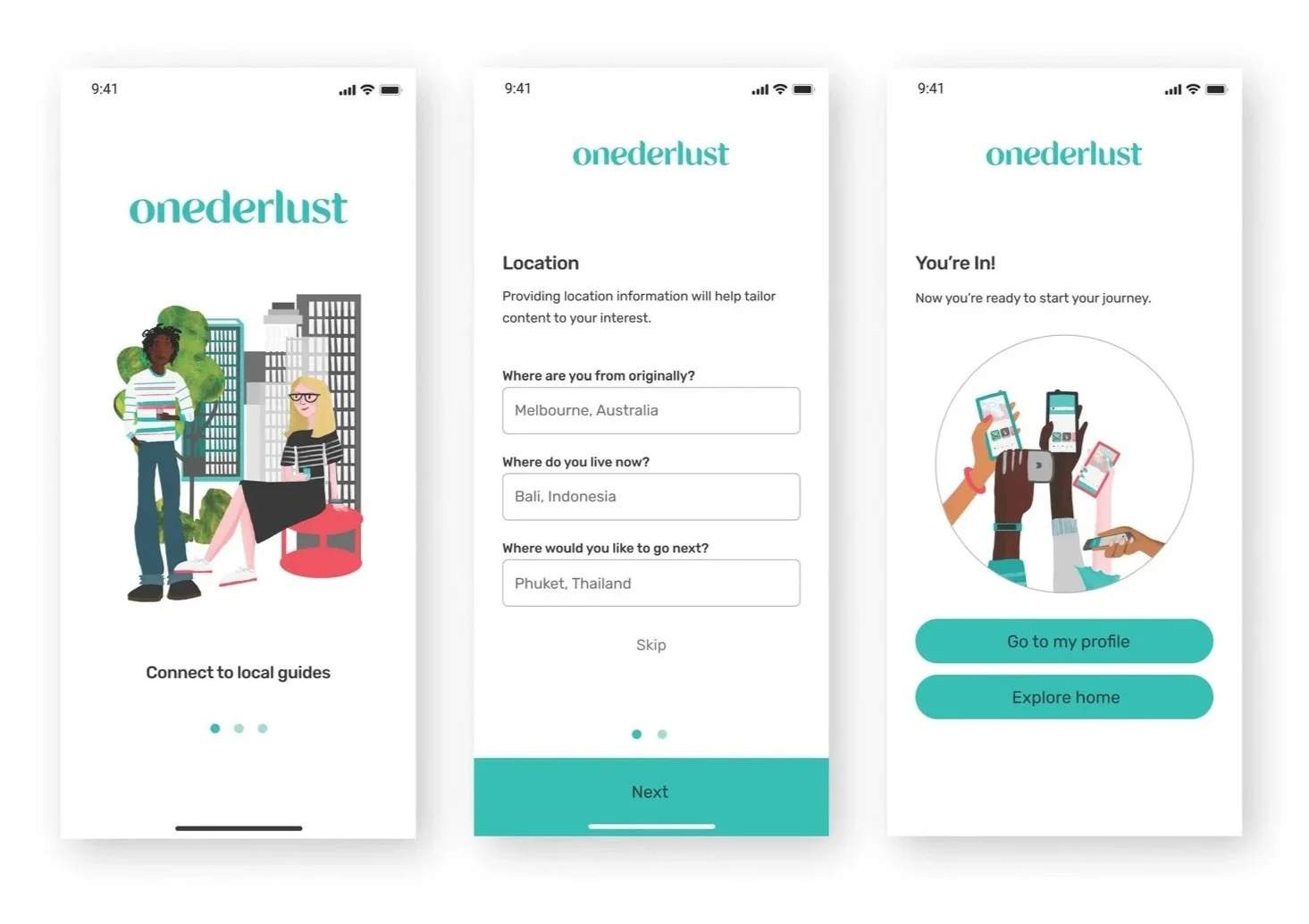
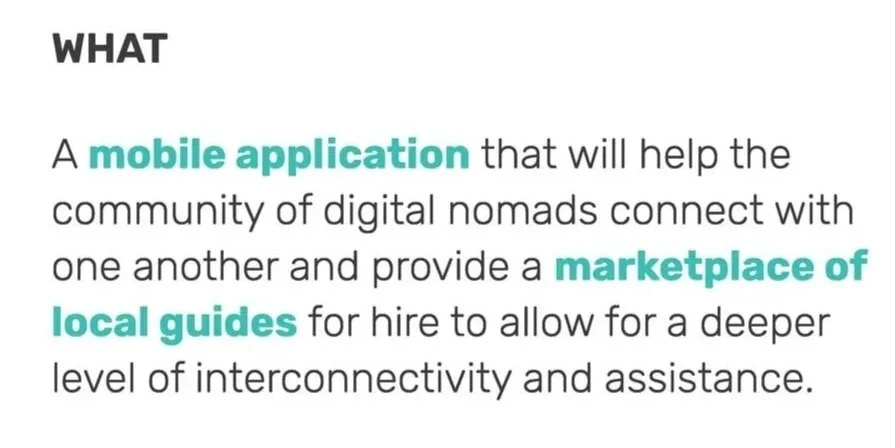
Structured the app as a two-sided e-commerce marketplace
Core Risk.
When direction is driven by volume rather than clarity, fragmentation follows.
The internal risks included:




Jargon substituting for insight
Slide density replacing synthesis
Branding introduced without consensus
Presentation shortcuts undermining accountability
Left unchecked, the result would have been a visually complex but strategically incoherent product. Governance became the first design problem.
Leadership Intervention: Designing Fairness
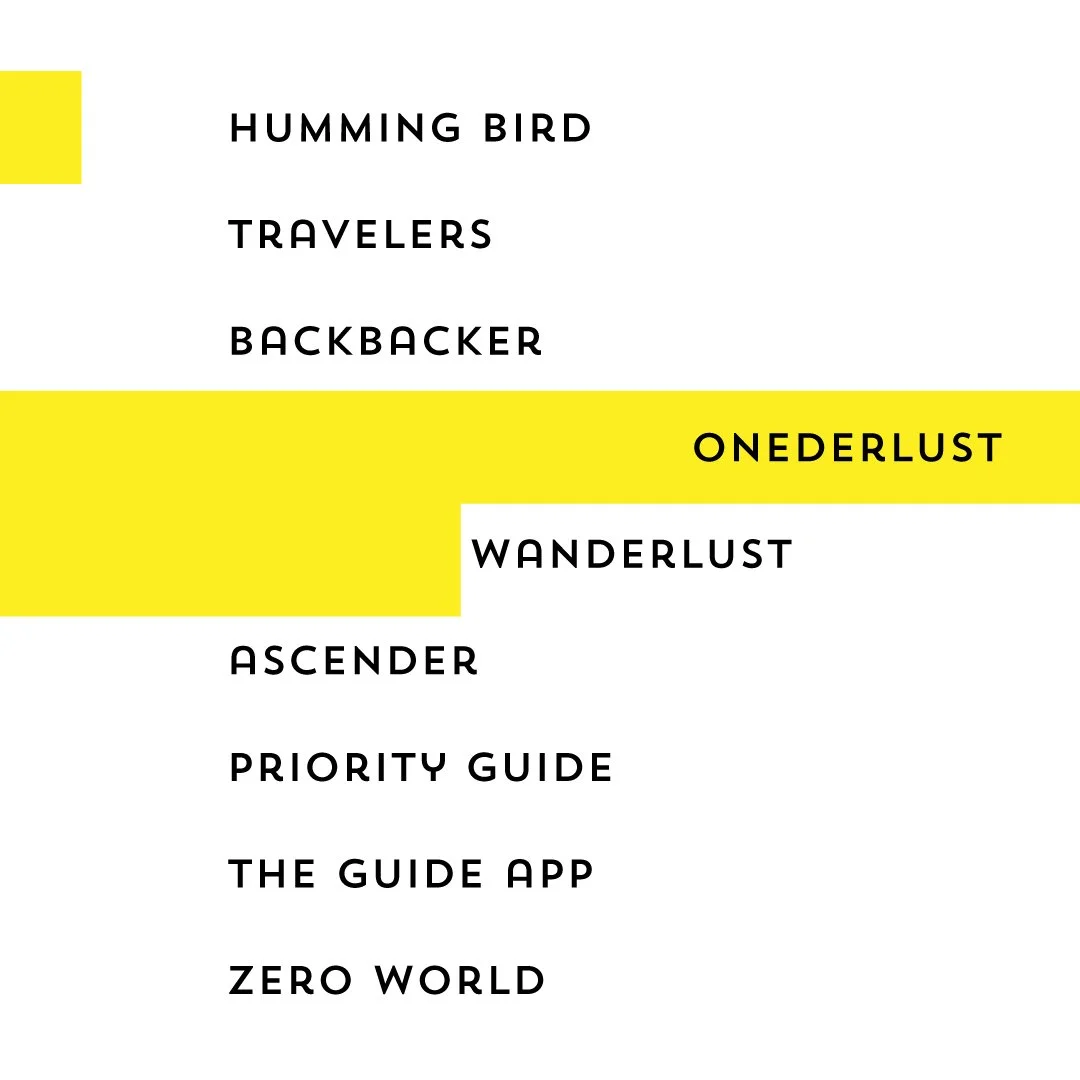
When a fully formed brand concept was introduced prematurely, I redesigned the decision structure.
Each team member submitted:
Product name
Concept narrative
Visual direction
Submissions were anonymized. Evaluation was merit-based.
The selected concept — Onederlust — was adopted unanimously.
By removing authorship from the decision, equity was restored.
Authority shifted from dominance to contribution.
Enforcing Narrative Discipline
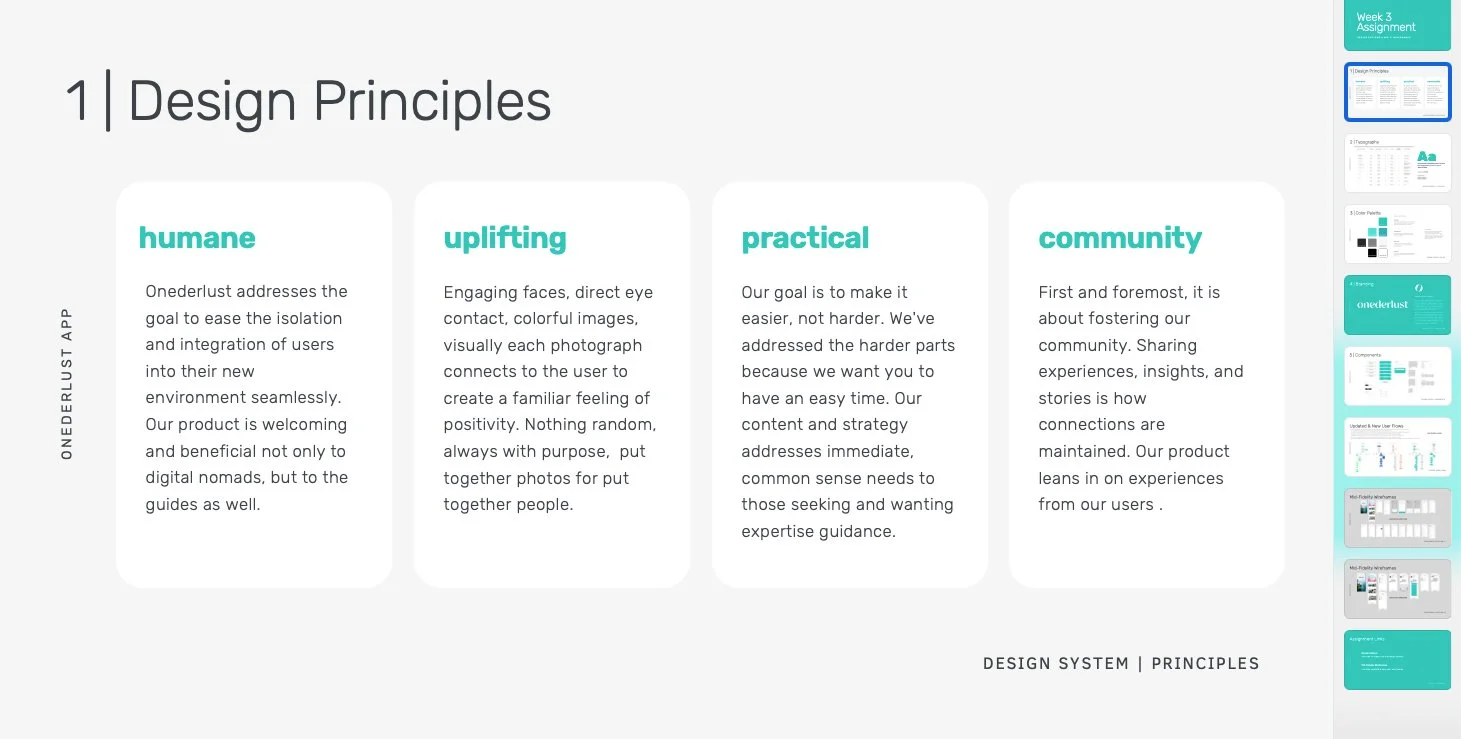
Slide bloat and jargon density were replaced with structured synthesis.
Research distilled into governing principles.Hierarchy clarified through reduction.Tone standardized across contributors.
Recorded presentations were eliminated in favor of live delivery. We scripted segments, timed transitions, and rehearsed collectively. Execution became deliberate rather than improvised.
Governance Embedded in Product
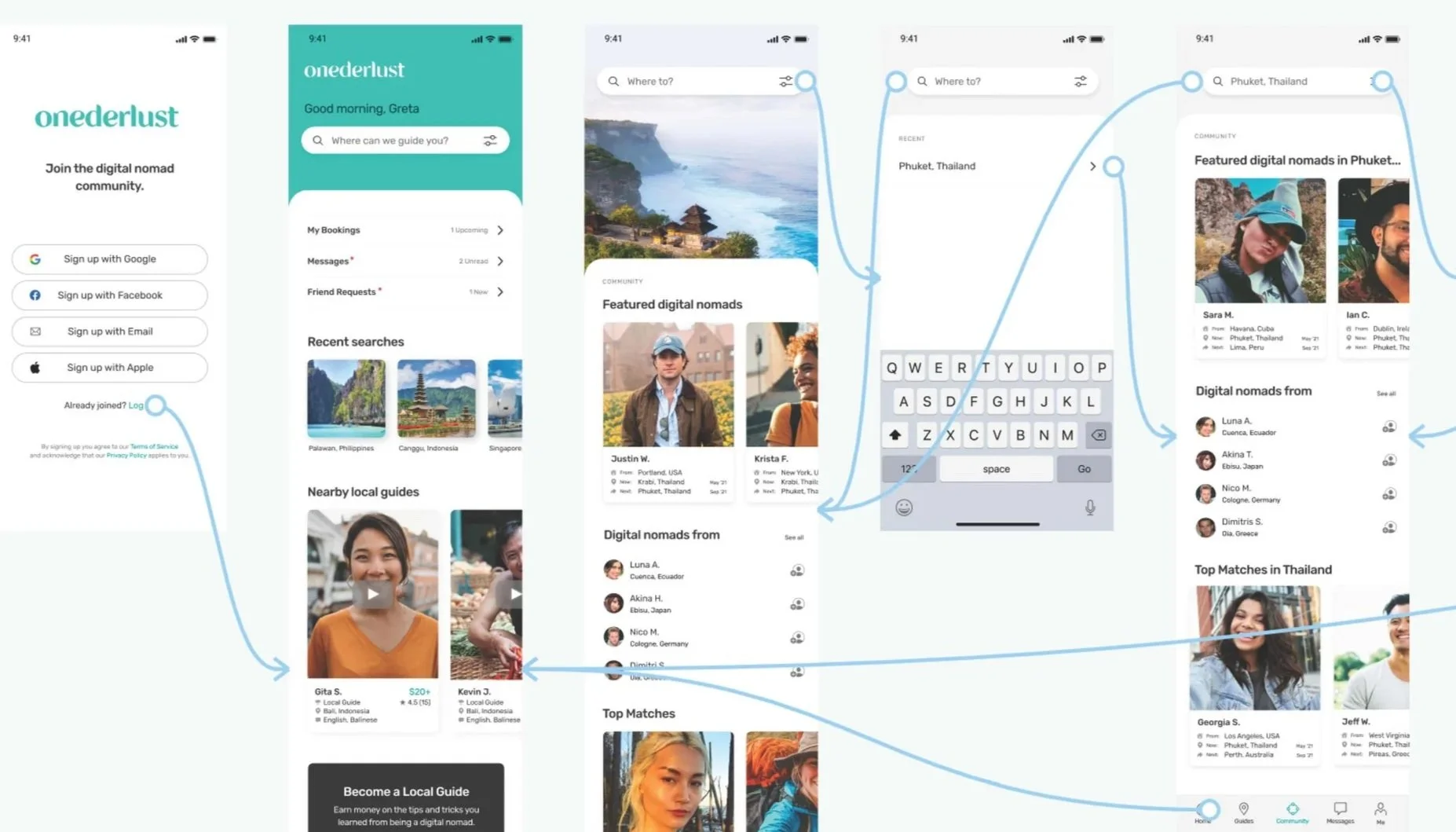
The product evolved into a structured ecosystem:
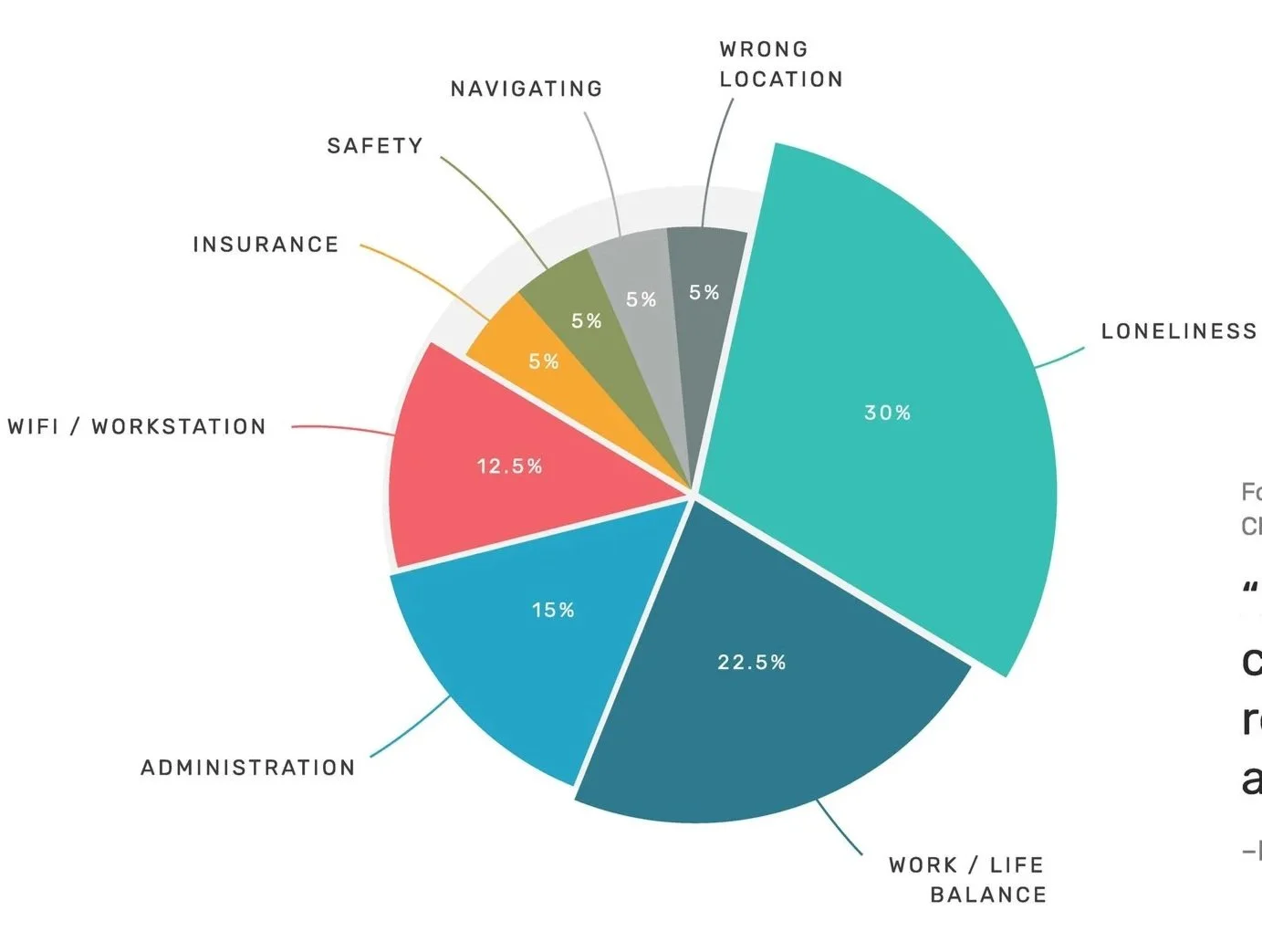
Research-grounded personas
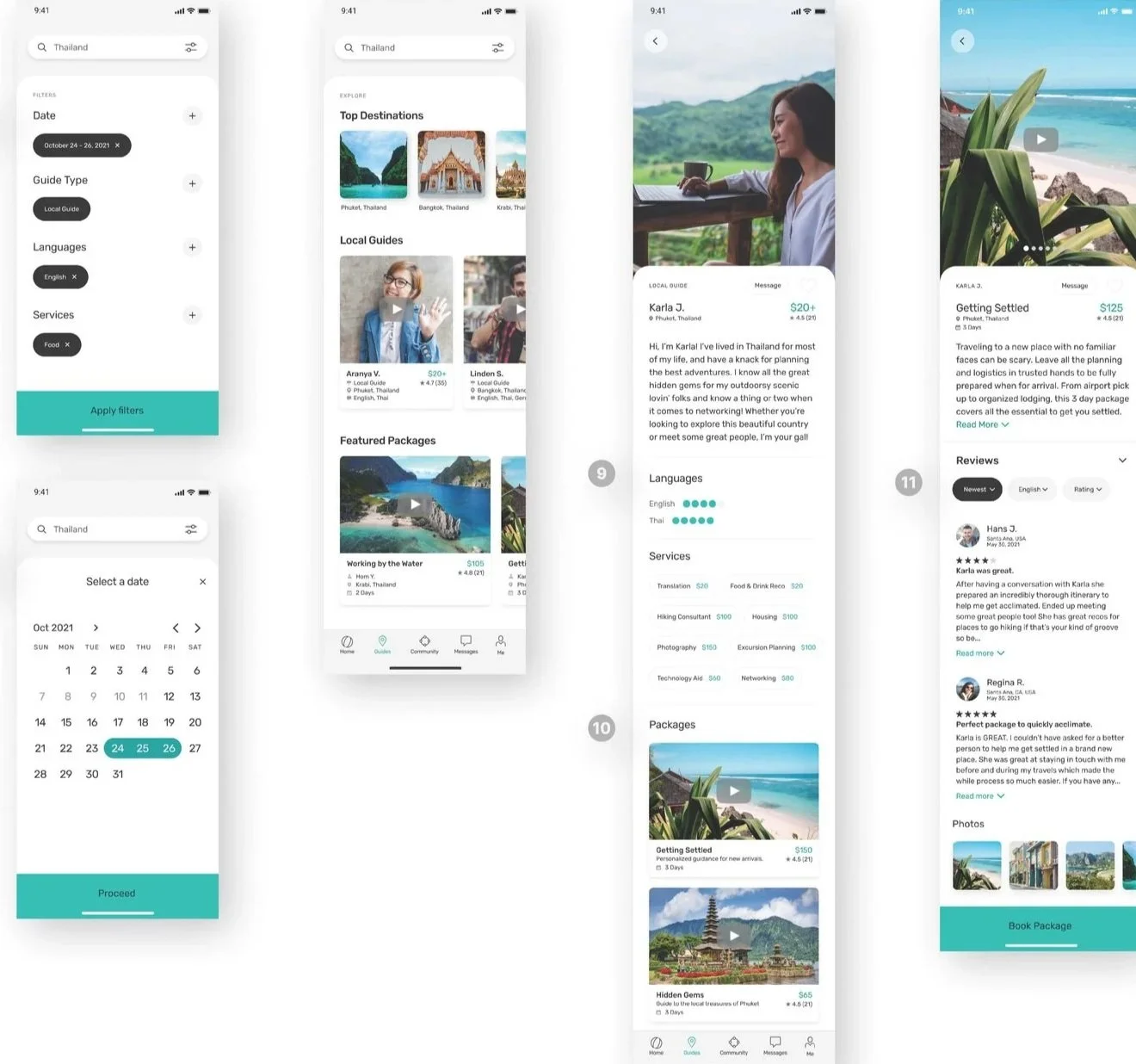
Trust-sensitive onboarding and booking flows
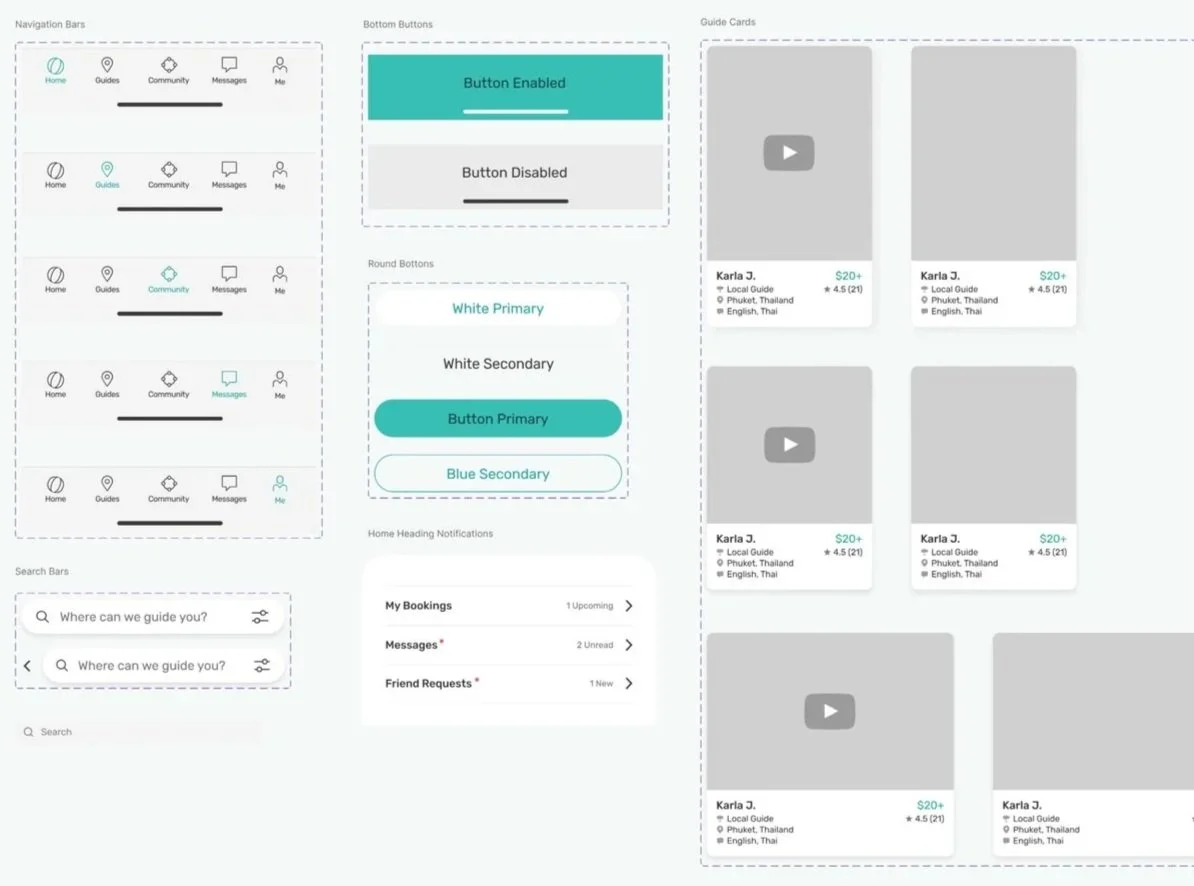
A governed mobile design system
A two-sided e-commerce marketplace
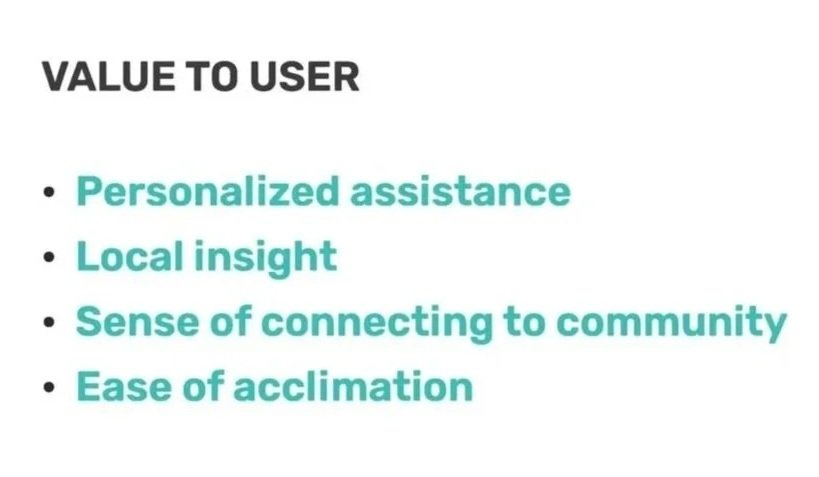
A defining feature — the Onederlust Guide — introduced transactional companionship.
Guides were vetted locals or seasoned nomads who provided logistical orientation and social grounding.
The interaction was deliberately structured:
Transparent compensation
Clear expectations
Defined boundaries
Warmth without ambiguity. Connection with guardrails.
The internal governance principle became the product principle:
Belonging requires structure.
Outcome
The final product demonstrated cohesive narrative, disciplined execution, and marketplace viability.
More importantly:
Cohesion replaced fragmentation.
Decision bias was neutralized.
Authority was established through facilitation.
Across multiple projects, I served as Project Manager — delivering structured alignment under sustained pressure.
Continuity
Onederlust marked a pivotal shift in how I understand leadership.
It clarified that:
Governance precedes aesthetics.
Process integrity protects product integrity.
Fair systems neutralize ego.
Clarity must be actively defended.
Today, in enterprise environments with real stakeholders, contracts, and institutional complexity, I apply the same principles:
Design the decision system before designing the interface.
Remove bias from high-stakes choices.
Protect narrative cohesion across disciplines.
Structure alignment before scaling execution.
Onederlust was not simply a project. It was the first time I experienced leadership as architectural — where the process determines the integrity of the outcome.
And that principle continues to guide how I build.